Low Weight, High Reps: Our Honest Thoughts On This Training Method
Here's why we generally don't recommend it, and why we love seeing women lifting heavier weights.

February 6, 2026 - Updated February 6, 2026
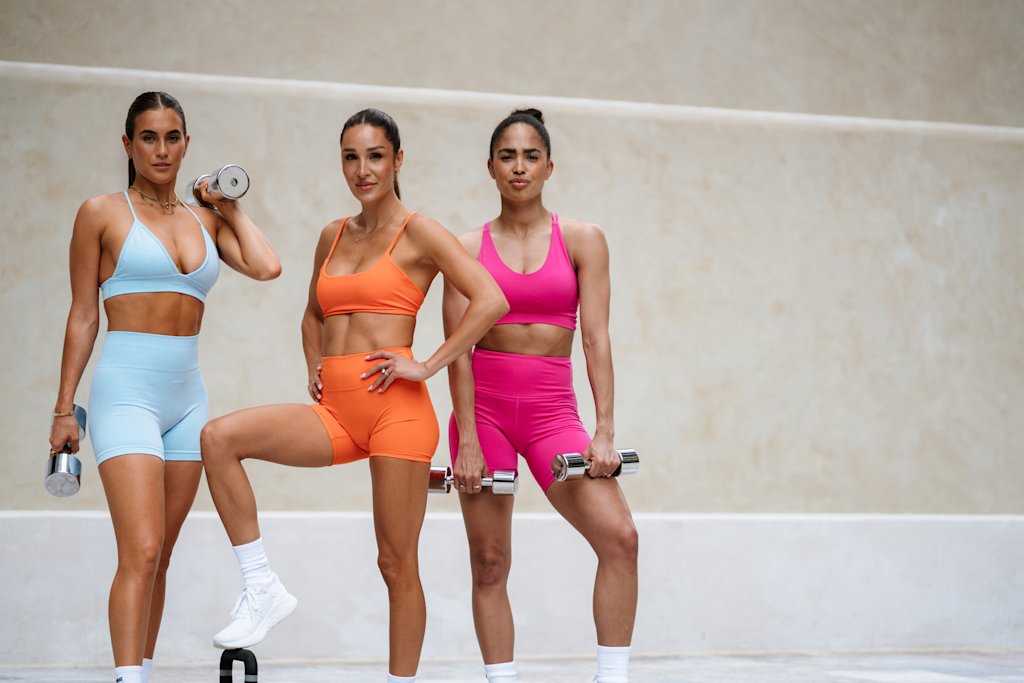
We've all been there - wanting to build strength or start lifting weights, but feeling confused as ever by all the conflicting advice. Do you need to lift heavy to see results? Or can you get the same results with light weights and high reps?
After years of designing strength-training programs for women and seeing our community get results, our exercise science team wanted to cut through the noise and give you a helpful answer when it comes to your questions around weights and rep ranges.
What does “low weight high reps” really mean?
When we talk about low weight and high reps, we're referring to using lighter weights (typically around 30-50% of your one-rep max) and performing more than 15 repetitions per set. Many of us were told for years that this was the "right" way to train as women.
This contrasts with lifting heavier weights (around 70-85% of your max) for fewer reps - usually between 1 and 8. This might sound more intimidating, and sometimes comes with a warning that it will make you "muscular" or "bulky", which is definitely not true or what happens.
The low-weight, high-rep method became popular partly because it felt less intimidating and partly because of persistent (and incorrect) myths about "toning" versus "bulking."
But here's the thing - toning your muscles simply means building more lean muscle tissue through strength training, and then lowering your body fat to a point where those muscles are more visible. Muscle growth is a slow, steady process for women (one that many of us actually wish would happen faster), and "bulking" doesn't happen easily, quickly or by accident.
Understanding your options: What the science says
Let's break down the three main approaches when it comes to weight and reps and what we recommend.
Heavy weight, low reps (1-8 reps)
This is traditional strength-training territory, and the best way to build maximum strength and power. When you’re lifting weights that you can only manage for a few reps, you’re training your nervous system to recruit muscle fibers more efficiently and build strength. This is what powerlifters do, but that doesn’t mean it’s not for everyday people, too.
“With low rep, high weight training, good technique matters most,” says Megan, one of our accredited trainers and exercise physiologists. “As your weights get heavier, moving with control and good form is essential to build strength safely and effectively.”
You may also need longer rest periods during your workouts, plus additional rest days in your week or a muscle group split that gives your muscles adequate recovery time.
Strength training with heavy weights is fantastic for your bone strength, metabolism and longevity. Not to mention training with heavy weights is better for building real strength that helps you carry groceries, lift your kids, or move furniture without needing help. And no, you won’t get bulky.
Moderate weight, moderate reps (10-12 reps)
This range has long been called the "hypertrophy zone" or muscle-building sweet spot, where your weights are challenging but don't feel super heavy. When your weights start to feel easier, you progress by increasing the weight slightly again. This is how most bodybuilders train, as it's a method designed to build muscle mass.
Training like this has decades of research supporting its effectiveness for muscle growth. For most women looking to build muscle and change how their bodies look and feel, this is the most efficient and popular approach, and is how you’ll train in Sweat programs like Grow with Mariah, Strength & Sculpt with Katie Martin, or Strength with Kayla.
Low weight, high reps (15+ reps, or to failure)
“Studies show that muscle growth can actually be similar with both heavy and light loads - as long as sets are performed close to failure," explains Megan. "However, strength and the ability to lift heavier weights improves more quickly with higher weight training."
The low weight high reps approach can be an amazing way to add variety and challenge your body in different ways (think Pilates or barre workouts), but Megan's point is exactly why we generally don’t recommend it if you have goals to build strength or muscle: it takes much longer to reach failure with light weights, so it’s not very efficient or effective.
“With high rep, low weight training, effort really matters. It’s easy to stop early because of the ‘burn’ you’re feeling, but to see results, your sets should be taken close to fatigue so the muscle is fully challenged.”
“Low weight high rep training is ideal for women looking for rehabilitation training or those new or returning to training, as lighter weights place less stress on the joints while still building muscular endurance and control.”
The best approach for you
Here's what becomes clear after years of designing strength programs and watching women succeed in their fitness journeys: there’s definitely no one-size-fits-all approach.
In saying that, we do recommend lifting weights that feel challenging (but not impossible) if it’s safe for you to do so, as you’re likely to see better results. And when those weights start to feel easy, you know you’ve made progress and are ready to go heavier.
Maxing out your weights and testing your one-rep-max occasionally is a great way to measure your strength progress and reap the benefits of a varied routine.
“Across all styles of lifting, progression drives results,” says Megan, highlighting that the most important thing is to feel consistently challenged. “Whether that’s adding more weight, increasing reps, or slowing the tempo, the body adapts to challenge, not just the rep range.”
Erin is a writer and editor at Sweat with years of experience in women's publishing, the fitness industry, media and tech. She's passionate about the power of movement, and you can often find her on a yoga mat, a hike, a dance floor, in the ocean or the gym.
* Disclaimer: This blog post is not intended to replace the advice of a medical professional. The above information should not be used to diagnose, treat, or prevent any disease or medical condition. Please consult your doctor before making any changes to your diet, sleep methods, daily activity, or fitness routine. Sweat assumes no responsibility for any personal injury or damage sustained by any recommendations, opinions, or advice given in this article.
Fitness