Why Every Runner Should Strength Train
Build strength alongside your running and you'll feel the difference in every stride.

December 17, 2024 - Updated July 10, 2026
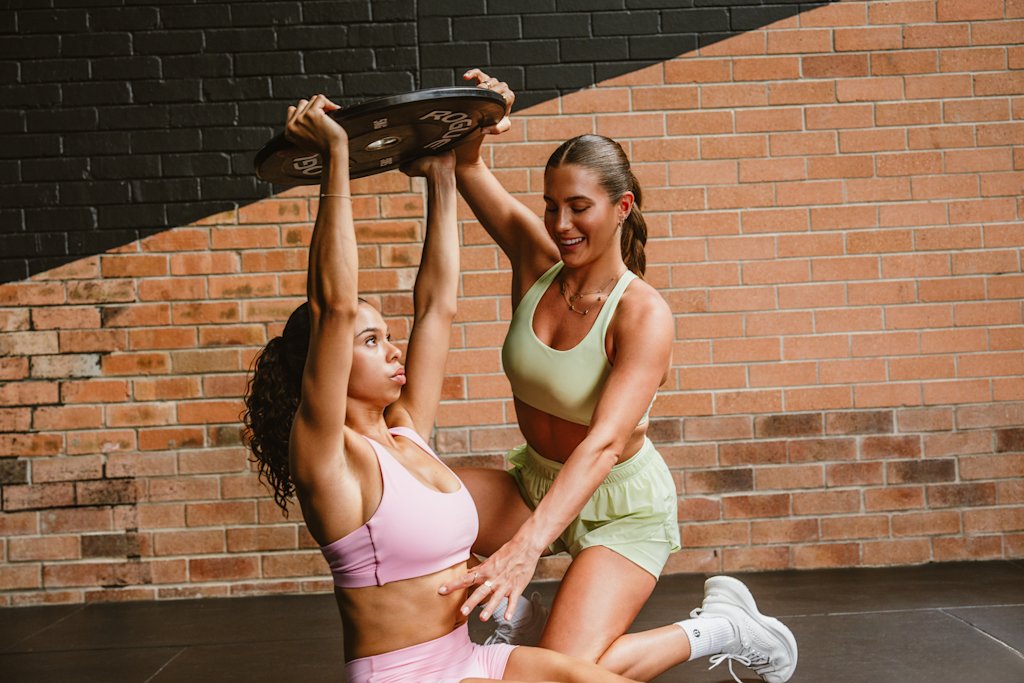
If you want to become a better runner, running should definitely be a regular part of your fitness routine, but it's only one piece of the puzzle.
Whether you're training for your first 5K, getting back into running after a break or working towards a new personal best, strength training can help you run stronger, move more efficiently and stay consistent for the long haul.
Your best runs should feel strong, powerful and steady, and building strength off the pavement can make all the difference when you lace up.
Why strength training matters for runners
It's easy to assume the best way to improve your running is simply to run more. While time on your feet is important, adding strength training to your routine can help you get even more out of every run.
According to the International Sports Sciences Association and the National Academy of Sports Medicine, strength training can help runners improve performance, increase running economy, reduce fatigue and lower their risk of common running injuries. Stronger muscles and connective tissues also help your body absorb the impact of running more efficiently, meaning you can recover better and keep showing up consistently.
For Sweat trainer Katie Martin, strength training has become a non-negotiable part of her own running routine.
Having completed multiple half-marathons and a marathon, she's experienced the benefits firsthand.
“Starting with strength training builds a strong foundation, preparing your body for the demands of running,” explains Katie. “It helps mitigate muscular imbalances, improve joint stability, and develop good movement patterns, which can prevent injuries and ensure a smoother transition into running. This proactive approach minimises setbacks and maximises performance as you increase your running volume.”

Running is a full-body sport
When people think about strength training for runners, they often assume it's going to involve endless squats and lunges. While building lower-body strength is important, becoming a stronger runner requires a full-body approach.
Your glutes, hamstrings, quads and calves generate power with every stride, while your core helps stabilise your pelvis and spine, improving balance and running efficiency. Upper-body strength also plays an important role, helping you maintain good posture and minimise unnecessary movement as fatigue sets in.
If you're worried strength training will make you bulky or slow you down, don't be. Both running programs in the Sweat app focus on building functional strength, power and resilience, not simply increasing muscle size.
Strength training isn't just for experienced runners
If you're new to running, strength training can be just as valuable as it is for seasoned runners.
Sweat trainer Britany Williams, believes building strength from the beginning helps you feel more confident and capable as you develop your fitness.
Rather than just focusing on pace or distance, combining beginner-friendly runs with strength workouts helps your body adapt to the impact of running while improving balance, coordination and overall movement quality. It can also help you build confidence as your running volume gradually increases.
Ready to run stronger?
Whether you're taking your first steps into running or chasing your next personal best, combining running with strength training is one of the best ways to become a stronger, more resilient runner.
If you're new to running, Ignite Running with Britany Williams pairs walk-run sessions and beginner-friendly strength workouts to help you build fitness and confidence at your own pace.
If you already have some running experience and want to improve your speed, strength and performance, Run Stronger with Katie Martin combines structured running sessions with targeted strength training designed to help you feel more powerful with every stride.
Whichever path you choose, remember this: becoming a better runner isn't just about running more. It's about building a stronger body that supports every kilometre, every hill and every finish line.
Erin is a writer and editor at Sweat with years of experience in women's publishing, the fitness industry, media and tech. She's passionate about the power of movement, and you can often find her on a yoga mat, a hike, a dance floor, in the ocean or the gym.
* Disclaimer: This blog post is not intended to replace the advice of a medical professional. The above information should not be used to diagnose, treat, or prevent any disease or medical condition. Please consult your doctor before making any changes to your diet, sleep methods, daily activity, or fitness routine. Sweat assumes no responsibility for any personal injury or damage sustained by any recommendations, opinions, or advice given in this article.
Fitness