Is Lifting Weights Bad For Your Pelvic Floor?
Here's what you need to know to build strength without compromising your pelvic floor.

May 18, 2023 - Updated January 16, 2026
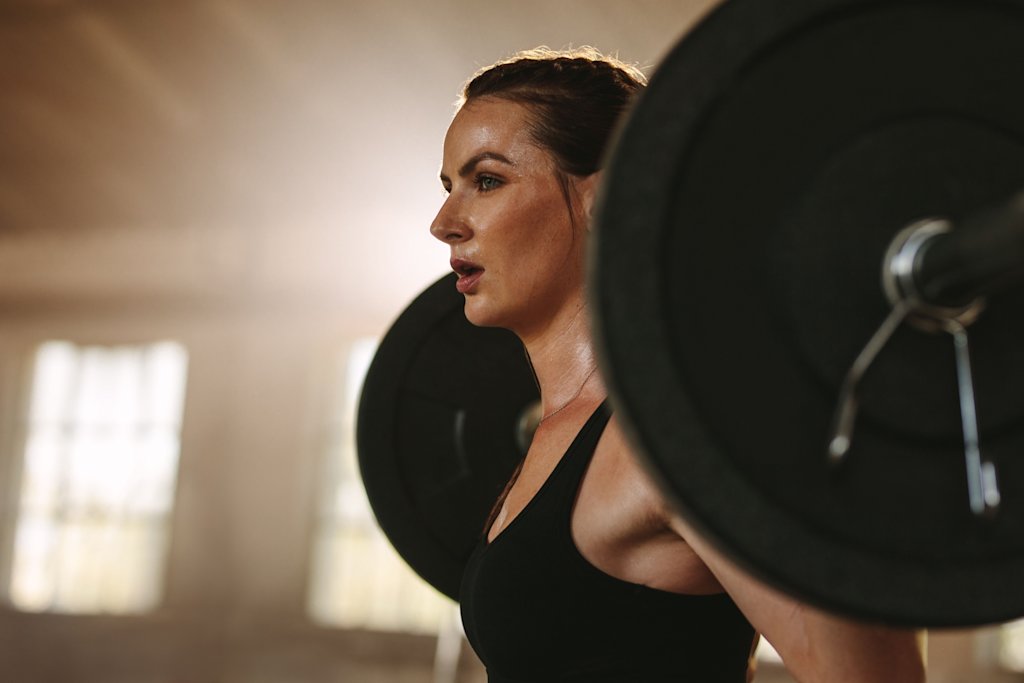
Most of us know how incredible strength training can be for your body, helping to build lean muscle mass, increase basal metabolic rate, reduce back and joint pain, and more - but what about the impact of lifting on your pelvic floor?
We sat down with Rosie Dumbrell, the Director of Everform Therapywear, about the importance of pelvic floor health in the context of strength training. As a women’s physiotherapist with specialist training in pelvic health, strength and conditioning, and pre and postnatal rehabilitation, Rosie is one of our go-to experts on the matter.
New to all things pelvic floor related? We recommend reading this article to get acquainted with what your pelvic floor is and what causes a weak pelvic floor.
The big question: Is lifting weights bad for your pelvic floor?
This isn't a simple yes or no question as there are so many factors at play, but while heavy lifting can put extra pressure on your pelvic floor, Rosie says it’s generally safe as long as you’re doing three things:
Performing each movement with correct form
Bracing and breathing correctly to manage intra-abdominal pressure
Listening to your body
When you're ticking these boxes, strength training is associated with improved pelvic floor function, healthy weight management, reduced risk of pelvic floor disorders and better quality of life.
Here’s what you need to know to protect (and even power-up) your pelvic floor when strength training.

Be smart when you start
First things first - if you’re at high risk of a pelvic floor disorder (PFD) or are already experiencing signs of a weak pelvic floor, it’s always best to consult your healthcare provider before starting a new exercise program.
What makes you at high risk of a pelvic floor disorder?
Research suggests the most significant risk factors for PFD include:
Ageing
Menopause
History of hysterectomy
Vaginal birth
Obesity
Smoking
Racial or genetic predisposition to connective tissue disorders
"Compared to cesarean delivery, we know that giving birth vaginally is associated with a higher prevalence of pelvic organ prolapse, as well as bladder and bowel leaks, and this risk is higher still if forceps or other instruments are used during birth," explains Rosie.
"The fact is, 50% of women who have given birth will have some level of pelvic organ prolapse, but they may not necessarily be symptomatic until a life event such as perimenopause, surgery, or a bout of chronic coughing occurs. C-sections have their own risks and potential complications, and we often see the other end of the spectrum with symptoms such as pelvic pain, pelvic floor tension.’
"All of this may sound scary, but the more informed you are about your own body as a woman, the better you are equipped to ensure you have every opportunity to recover fully and live life to the fullest,” says Rosie.
If you fall into these categories, and want to start a new exercise regime (especially one involving weight lifting, high-impact exercises or high-intensity training), it is highly recommended to see a pelvic floor trained specialist for guidance on prevention strategies, understanding risk your profile, and learning correct pelvic floor strengthening and lifting techniques so you can lift with more confidence and less symptoms.

Nail two things: Form and breathing
When lifting weights, your first priority should always be maintaining proper form during each exercise. If your form is incorrect, you not only increase your risk of injury and reduce the effectiveness of your workout, but you can also put extra strain on your pelvic area.
As you start to progress and begin to lift heavier weights, does that mean you’ve mastered the exercise and don’t need to think about form anymore? Nope. Maintaining proper form becomes even more important, given the extra strain the weights put your body under, so don’t be afraid to reduce your weights at any time or use bodyweight only if it’s not feeling right.
When it comes to your breath, a common mistake is taking a deep breath and holding it in during your lifts, aka the Valsalva maneuver. While this may feel natural or helpful, the Continence Foundation of Australia advises against holding your breath during lifts, as it can increase pressure on your abdominal organs and pelvic floor muscles.
The correct breathing technique is to exhale during the lift or exertion phase and inhale during the lowering or relaxation phase. Learning how to breathe correctly can help reduce pelvic pressure and engage the right muscles during your lifts, leading to better workout results and pelvic floor health.
Is there such a thing as "safe" exercises?
For Rosie, "safe" exercises is a term she tends to steer away from, as everyone is different and it's never just about the exercise itself. Looking after your pelvic floor when lifting is about:
Good lifting technique
Proper breathing technique
Gradual progression of load
Listening to your body and avoiding exercises that worsen your symptoms

Make adjustments whenever you need to
Your body knows best, so trust how you feel and make adjustments whenever you feel you need to. This could look like:
Swapping an exercise because you feel a lot of pressure in your pelvic area
Easing the pressure of exercises like squats and lunges by reducing the depth
Avoiding specific exercises you know cause your symptoms
Enlisting additional support from your healthcare provider and pelvic support garments
Gradually increasing your weights and reducing them when you feel overly strained
Lifting lighter weights when you’re feeling more tired, run down, or experiencing post-workout muscle aches, as these factors can mean your pelvic floor may not work as effectively
Reducing the weight or intensity at points in your menstrual cycle where you experience increased symptoms
Researchers explain that while most physical activity does not harm the pelvic floor and is beneficial to a woman’s overall health, if you are symptomatic, have a family history or PFD or fall into the higher risk categories, then mild to moderate exercise options such as brisk walking, light to moderate weight training or Pilates can be good options to stay active and incorporate weight training (super important for your muscle and bone health) while decreasing the odds of developing a PFD.
Include pelvic floor exercises in your routine
Whether you’re following a strength training program or not, one of the most important things you can do to strengthen your pelvic floor is to make pelvic floor strengthening exercises (aka kegels) part of your daily routine - but make it functional.
We know that a squat uses 41% more pelvic floor activity than kegels alone, so Rosie recommends supercharging your workout and your pelvic floor by layering pelvic floor strengthening with an exhale during the effort or lift phase of your exercises.
Remember, you don’t have to “just live with it"
Research has shown that women who exercise generally have similar or stronger pelvic floor strength than those who don’t, but across women and physical activities, there is a lot of variation in pelvic floor strength and intra-abdominal pressure.
“This is where lifting technique, breathing, and considering supportwear for optimal pelvic floor health all come in to play,” says Rosie.
“If you experience any symptoms that suggest you may have a PFD, either in daily life or during your workouts, don’t continue with your training routine just hoping it’ll improve - it’s time to book in to see your pelvic health trained practitioner. They will be able to provide you with tailored advice and guidance, and develop a suitable exercise program if necessary. What works for you is going to be different to works for another woman, so ensuring you tune into your own body is so incredibly important - for now and for your future self.”
A more empowered you starts with Sweat, and our editorial team is here to bring you the latest fitness tips, trainer recommendations, wellbeing news, nutritional advice, nourishing recipes and free workouts.
* Disclaimer: This blog post is not intended to replace the advice of a medical professional. The above information should not be used to diagnose, treat, or prevent any disease or medical condition. Please consult your doctor before making any changes to your diet, sleep methods, daily activity, or fitness routine. Sweat assumes no responsibility for any personal injury or damage sustained by any recommendations, opinions, or advice given in this article.
Wellbeing